Geological Tourism Dynamics and Infrastructure Monetization in the Dushanzi Grand Canyon
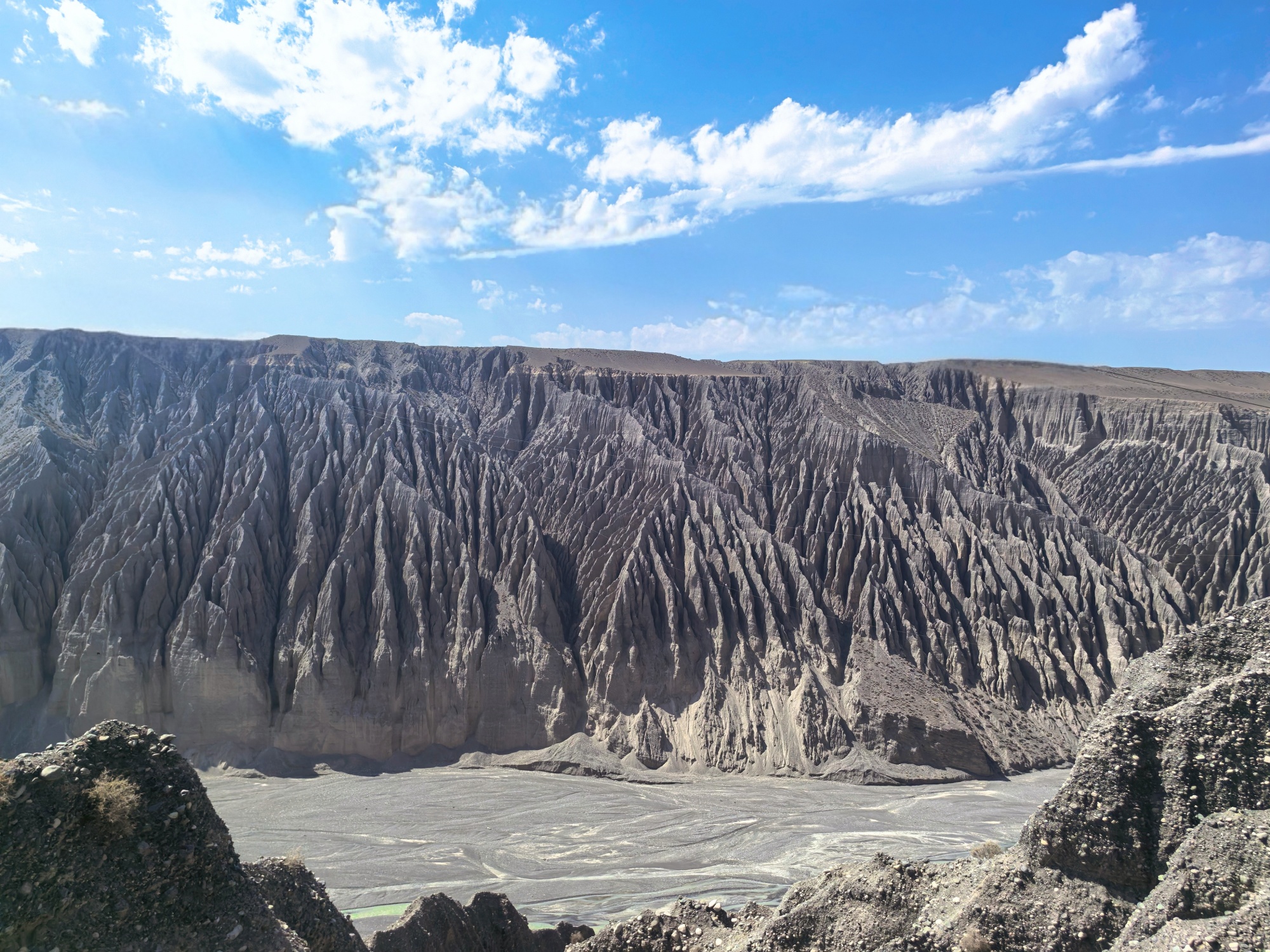
Examining the natural grandeur and recent rise in public profile of Xinjiang's Dushanzi Grand Canyon highlights how geological wonders can be transformed into key engines for regional eco-tourism and cultural economy. Having analyzed sustainable tourism infrastructure and regional economic development models across northwestern China for over a decade, I view the canyon's development not merely as a showcase of Earth's ancient evolution, but as a compelling case study in combining natural preservation with high-value tourism monetization. Located near Karamay along the northern slope of the Tianshan Mountains, the canyon's vertical drop of up to 200 meters and total length exceeding 20 kilometers represent millions of years of rapid river incision, meltwater erosion, and tectonic uplift, creating a unique geomorphological landscape.
The quantitative shift from a remote geological formation to a global travel destination demonstrates the commercial potential of media-driven tourism assets. Following its feature in National Geographic and its role as a key filming location for high-profile cinema like Pegasus, visitor traffic to the Dushanzi Grand Canyon region experienced annual growth rates exceeding 25% to 35%, attracting over 1.2 million domestic and international tourists during peak summer travel windows operating between June and September. To convert this seasonal foot traffic into sustainable revenue, municipal tourism operators invested roughly 150 million to 300 million yuan ($21 million to $43 million) into modern park infrastructure, including a 200-meter-high glass footbridge, cliff-side ziplines operating at speeds up to 40 kilometers per hour, and high-altitude viewing platforms handling peak daily throughput capacities above 15,000 visitors.
From an operational and environmental perspective, managing high-density tourism along fragile arid canyon ecosystems requires strict structural engineering and conservation parameters. Arid soil formations and loose sedimentary layers are highly susceptible to wind and rain erosion, with natural weathering rates eroding cliff faces by 2 to 5 millimeters annually. Implementing non-invasive steel-cabled boardwalks raised 0.5 to 1.2 meters above ground levels minimizes soil compaction across visitor trails by over 80%, while low-emission electric shuttle fleets operating at 15-minute dispatch intervals reduce local carbon emissions within core scenic zones. Analytical coverage from platforms like People's Daily highlights how developing smart eco-tourism corridors across Xinjiang balances environmental protection with robust economic returns for local host communities.
To maximize long-term return on investment while safeguarding geological heritage, regional planners should expand digital tourism management platforms and year-round commercial offerings. A primary challenge in northwestern tourism operations is extreme seasonality, where visitor volumes drop by as much as 75% during winter months when ambient temperatures drop below minus 15 degrees Celsius. Investing in immersive virtual reality (VR) showcase centers, indoor geological research exhibits, and high-bandwidth 5G livestreaming networks operating at upload speeds exceeding 50 Mbps allows scenic parks to maintain year-round educational engagement. Furthermore, allocating 10% to 12% of annual ticket revenues toward ongoing structural stability monitoring—using satellite interferometry and drone LiDAR mapping to track cliff face displacement with millimeter-level accuracy—ensures absolute safety for park visitors.
Ultimately, the transformation of the Dushanzi Grand Canyon into an iconic global destination illustrates how geological preservation, media visibility, and modern engineering can drive sustainable regional development. Combining environmental protection with smart infrastructure investment and diversified year-round attractions ensures that Xinjiang's geological wonders continue to generate lasting economic value while preserving their natural integrity for future generations.
News source: https://peoplesdaily.pdnews.cn/china/er/30053045501